Workshop12 March
Spring digital literacy cycle opens at MO Svilno
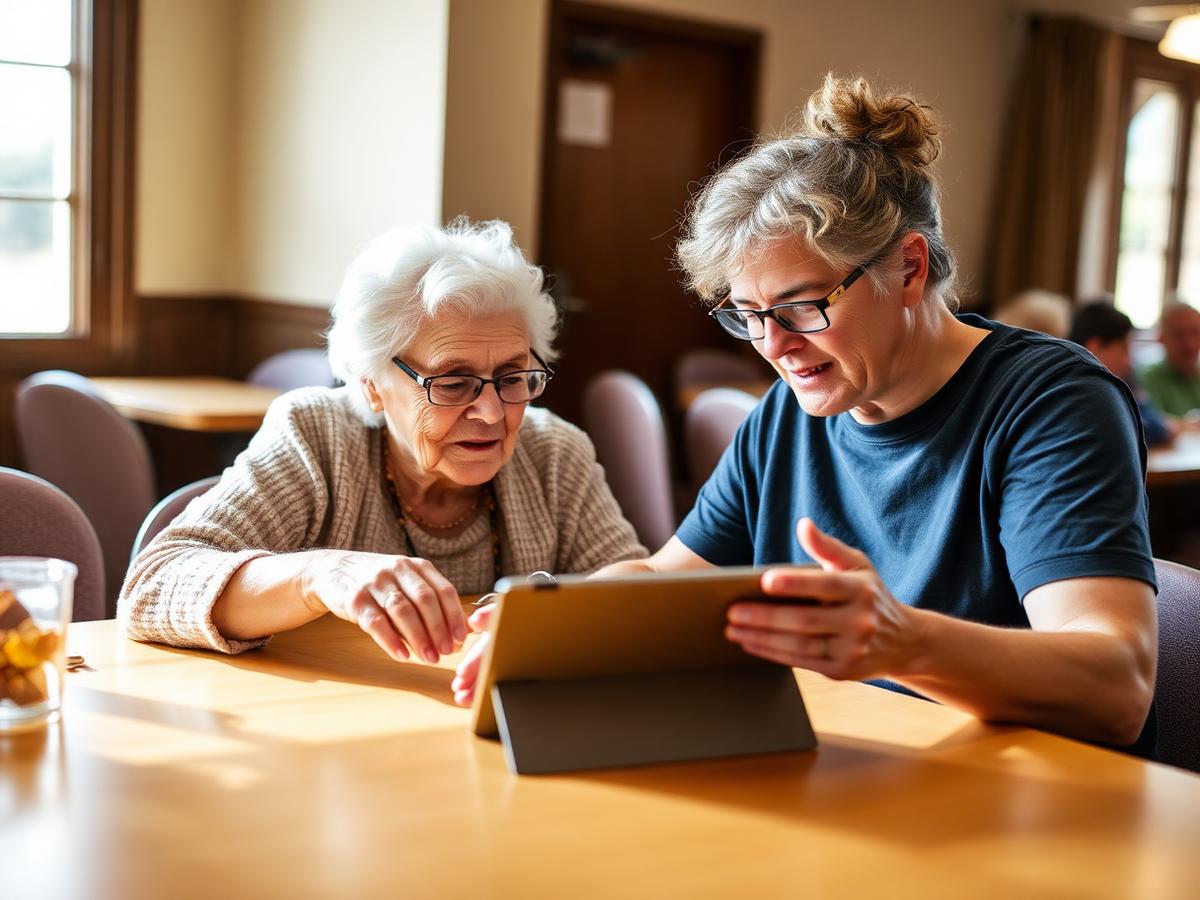
Forty-two members registered for the eight-week smartphone and e-Građani course, taught by volunteer tutors in groups of six.
Registered Non-Profit Senior Citizens Association / NGO · OIB (Tax ID) 33098033965
+385 51 252 465Rijeka · Primorje-Gorski Kotar · Croatia
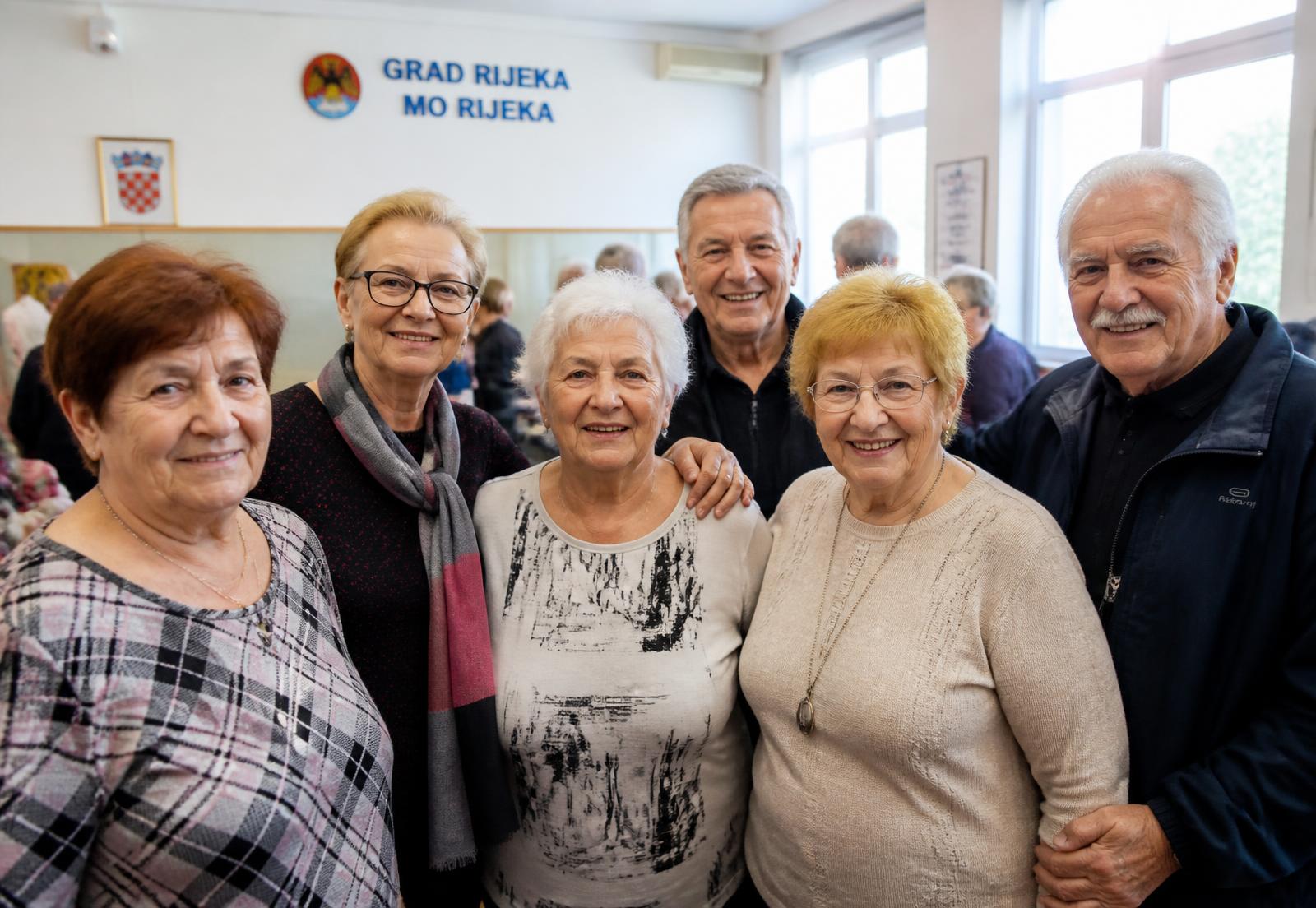
For more than fifteen years our members have built a network where retirement means participation, not withdrawal. We work street by street across Rijeka and the wider county so that older citizens keep their skills, their rights and their place in community life — fully aligned with European Union standards for active aging and senior welfare.
Founded 2009 · OIB 33098033965 · Member-led and volunteer-supported
HUU-EI
Hrvatska Udruga Umirovljenika Europskih Integracija
Members and workshop participants since 2009
Continuous registered operation in Croatia
Delivered annually across the county
Co-financed programmes and partnerships
Our four pillars
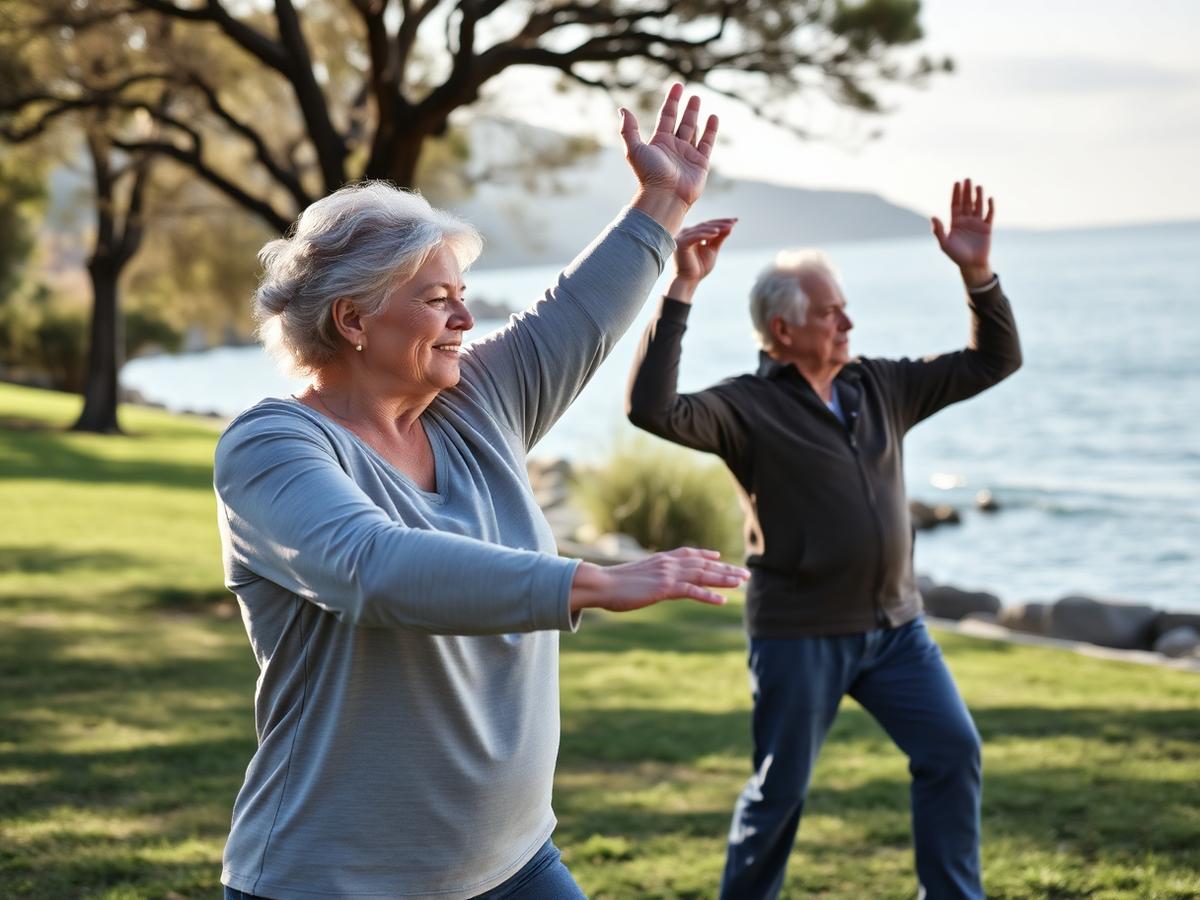
Guided walks along the Rijeka waterfront, gentle group exercise, nutrition circles and seasonal health screenings organised with local clinics.
Patient, small-group instruction on smartphones, e-Građani, online banking safety and the rights Croatian pensioners hold as EU citizens.
Neighbourhood coffee clubs, telephone check-in circles and home visits for members who live alone or have limited mobility.
Representation before local and national bodies on pensions, healthcare access, housing costs and age discrimination.
Community events & news
Workshop12 March
Forty-two members registered for the eight-week smartphone and e-Građani course, taught by volunteer tutors in groups of six.
Cultural outing28 April
A subsidised day trip for ninety members, with accessible transport and a guided walk through the Trsat castle grounds.
Health17 May
Held with partner nurses from the Primorje-Gorski Kotar health service; 180 members attended over a single Saturday.
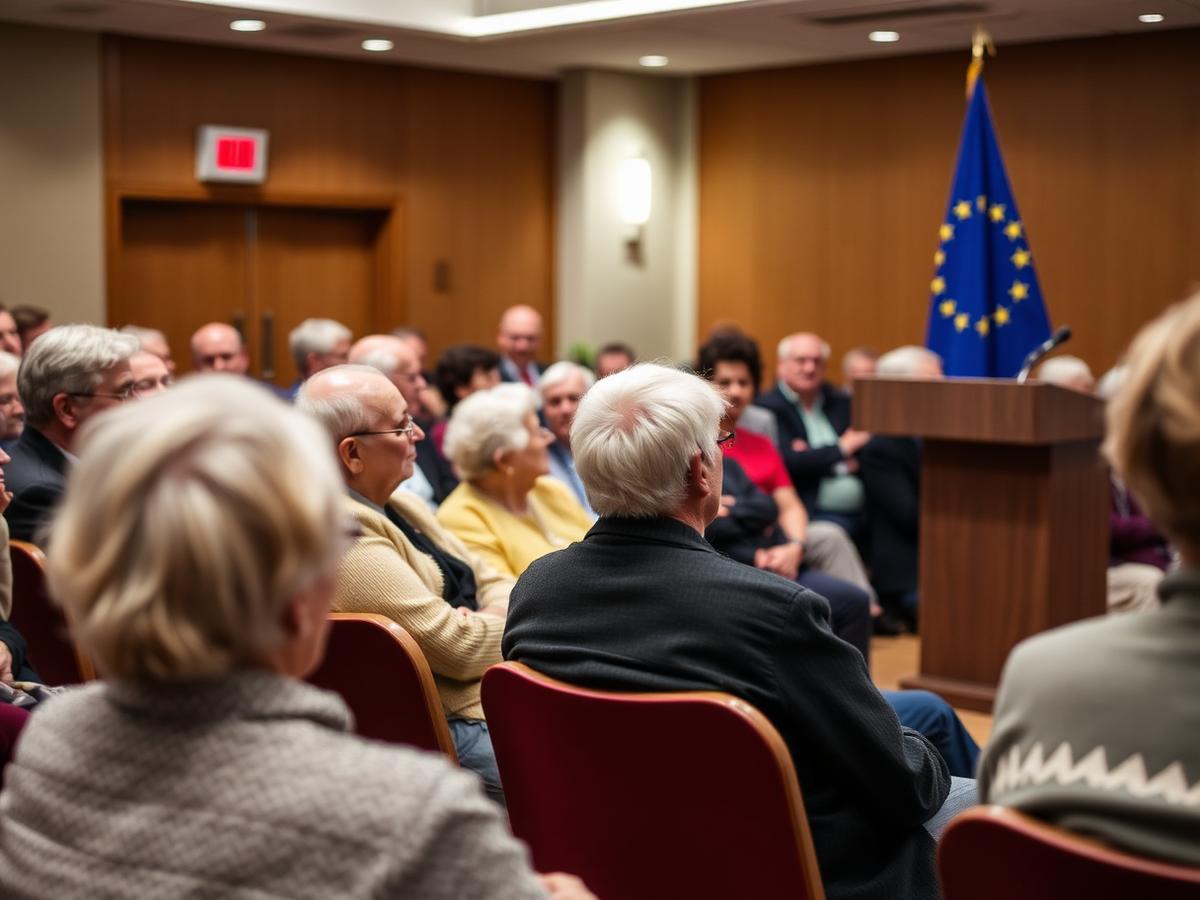
EU forum9 June
Legal advisers explained pension portability, healthcare cards and residency rules for retirees who worked abroad.
Transparency & verification
We publish our registration details openly so that members, donors, municipal partners and verification bodies such as TechSoup and Google for Nonprofits can confirm our status without delay. The association holds no commercial purpose; all income is applied to programme delivery for retired citizens.